Summary
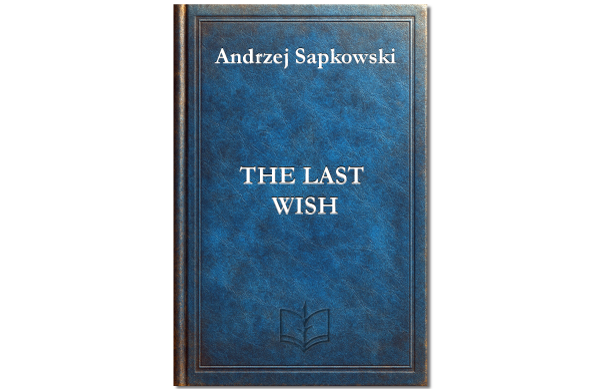
The Last Wish introduces Geralt of Rivia, a witcher—an elite monster hunter trained to kill creatures that ordinary people can’t face. But Geralt’s world quickly proves more complicated than “monsters vs. humans.” Through a set of connected short stories framed by Geralt’s recovery in a temple, he takes contracts that force him to choose between lesser evils, challenge corrupt power, and question what truly makes someone monstrous.
Across encounters with cursed royalty, dangerous sorcery, fearful towns, and persecuted non-humans, Geralt’s reputation grows—but so does his isolation. The book also introduces key relationships that shape the saga, especially Geralt’s volatile bond with the sorceress Yennefer. By the end, Geralt is established not just as a fighter, but as a moral outsider in a world where cruelty is normal and neutrality is impossible.
Key Quotes & Meanings
- (Paraphrased) “Choosing the lesser evil is still choosing evil.” — The series’ moral core: clean choices rarely exist.
- (Paraphrased) “Monsters are often made, not born.” — Fear and hatred create cruelty as effectively as magic does.
- (Paraphrased) “Neutrality has a cost.” — Refusing sides doesn’t protect you; it often abandons others.
- (Paraphrased) “Wishes bind people.” — Fate, desire, and consequence collide—especially in love and power.
Key Takeaways
- This is dark fantasy grounded in moral ambiguity, not heroics.
- Geralt’s “monster hunting” is really a lens on politics, prejudice, and human nature.
- Short-story structure builds the world quickly while planting long-term relationships and themes.
Who Should Read This
- Fans of morally gray fantasy (and anyone who liked the Witcher games/series).
- Readers who enjoy smart, bite-sized stories with a bigger arc underneath.
- Anyone into folklore-inspired monsters, curses, and sharp dialogue.