
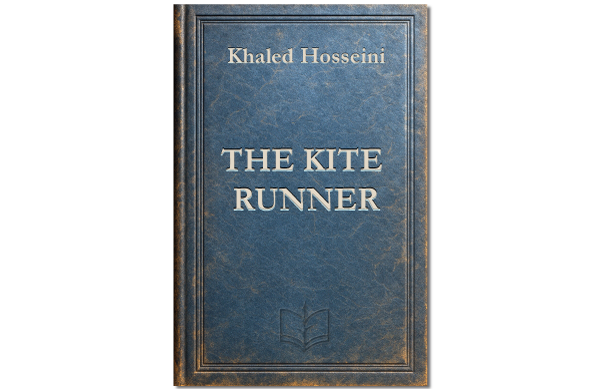
Summary
Khaled Hosseini’s The Kite Runner follows the complicated friendship between Amir, a privileged Pashtun boy, and Hassan, the son of his father’s Hazara servant, in 1970s Kabul. The two grow up together, flying kites, sharing stories, and spending their days in the same house—but never quite on equal ground. Class, ethnicity, and unspoken expectations hang quietly in the background.
Amir is desperate for the approval of his father, Baba, and sees the annual kite-fighting tournament as a chance to finally earn his respect. After they win, a cruel act of violence is committed against Hassan, and Amir witnesses it without stepping in to help. That moment of cowardice becomes the central wound of his life. Instead of facing what happened, Amir pulls away from Hassan and eventually helps drive him and his father out of the household.
When war and political upheaval come to Afghanistan, Amir and Baba flee to the United States. In California, they build a quieter, humbler life. Amir grows up, goes to college, and becomes a writer. Outwardly, he moves forward, but inside he is still haunted by guilt and the memory of his betrayal.
Years later, Amir receives a call from an old family friend, Rahim Khan, who is gravely ill and living in Pakistan. Rahim hints that “there is a way to be good again” and asks Amir to come see him. This journey forces Amir to confront painful truths about his past, his family, and the life Hassan was forced to live after he left.
What Amir discovers in Afghanistan is both heartbreaking and life-changing. He is given a chance to seek redemption, not by erasing what he did, but by taking responsibility and protecting someone who cannot protect himself. The novel becomes a story not only about guilt and betrayal, but also about courage, loyalty, and the difficult, imperfect path toward forgiveness.
The Kite Runner is an emotional, often painful story about friendship, family, and the lasting impact of the choices we make—especially the ones we most regret.
Key Quotes
-
“For you, a thousand times over.”
Meaning: A powerful expression of loyalty and love, showing how one character is willing to sacrifice again and again for someone he cares about. -
“There is a way to be good again.”
Meaning: A reminder that even after serious mistakes, it may still be possible to seek redemption and try to do what is right.
Key Takeaways
- Childhood choices can leave deep emotional scars that follow us into adulthood.
- Guilt, when never faced, can quietly shape a person’s entire life.
- Redemption is difficult and painful, but it often begins with honesty and responsibility.
- The story highlights ethnic and class tensions in Afghanistan, showing how prejudice and power imbalances damage relationships.
Who Should Read This?
The Kite Runner is ideal for readers who enjoy emotionally intense, character-driven stories about family, friendship, and moral struggle. It is especially meaningful for readers interested in Afghan history and culture, as well as anyone who has ever wrestled with regret, forgiveness, and the hope of a second chance.