Summary
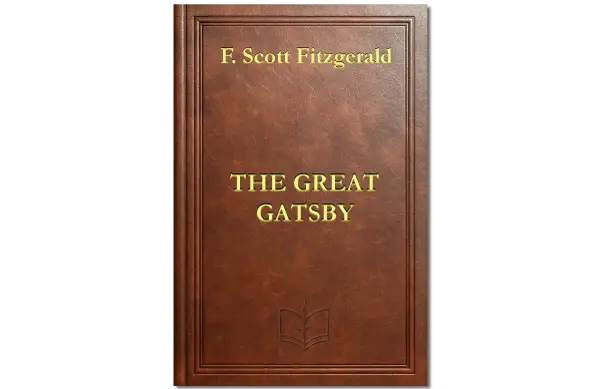
“The Great Gatsby” follows Nick Carraway, a young bond salesman who moves to Long Island and becomes entangled in the glamorous yet hollow world of 1920s high society. His mysterious neighbor, Jay Gatsby, is a wealthy and enigmatic man known for hosting extravagant parties. As Nick learns more about Gatsby, he discovers that his fortune and lifestyle exist for one purpose: to win back Daisy Buchanan, Nick’s cousin and Gatsby’s former lover. Daisy is now married to the wealthy but unfaithful Tom Buchanan, whose arrogance and entitlement reflect the moral decay beneath their privileged lives.
Gatsby’s attempt to recapture the past leads to growing tension among the characters. Daisy is torn between Gatsby’s idealized devotion and the comfort and status of her life with Tom. A tragic turning point occurs when Daisy, driving Gatsby’s car, accidentally kills Myrtle Wilson, Tom’s mistress. Tom allows Myrtle’s grieving husband, George Wilson, to believe that Gatsby was responsible. George ultimately murders Gatsby, while Daisy and Tom retreat into their insulated world of wealth without facing any consequences.
Disillusioned by the moral emptiness and selfishness of the wealthy, Nick returns to the Midwest, reflecting on the impossibility of the American Dream and the danger of clinging to illusions. Through lyrical prose and symbolic imagery, Fitzgerald critiques ambition, class inequality, obsession, and the fantasies people build around love and success. “The Great Gatsby” remains one of America’s most influential novels, capturing both the beauty and the corruption at the heart of the Jazz Age.
Key Quotes & Meanings
- “So we beat on, boats against the current, borne back ceaselessly into the past.”
Symbolizes humanity’s struggle against time, memory, and unattainable dreams. - “Can’t repeat the past?… Why of course you can!”
Reveals Gatsby’s delusion and the tragic flaw in his idealism. - “They were careless people, Tom and Daisy… they smashed up things and creatures and then retreated back into their money.”
Nick’s indictment of the wealthy’s moral indifference.
Key Takeaways
- The American Dream is often an illusion.
- Wealth does not guarantee morality or happiness.
- Obsession can distort love and identity.
- Social class creates barriers that money cannot erase.
- Memory and nostalgia powerfully shape human desire.
Who Should Read This?
Ideal for teens, adults, literature students, and readers drawn to symbolism, social critique, and emotional tragedy. Perfect for those exploring themes of ambition, love, class, and the fragility of dreams.