Summary
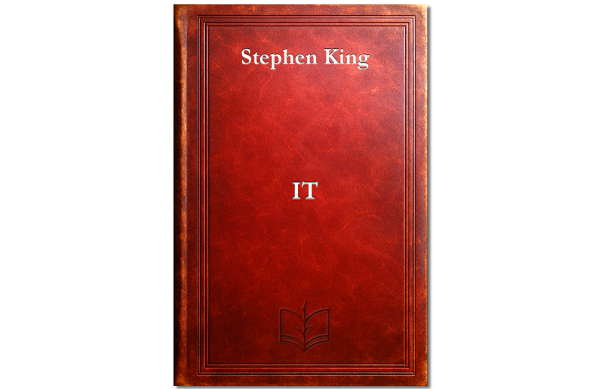
This It summary follows a group of kids growing up in Derry, Maine—a town where scary things happen and adults seem strangely blind to them. In the summer of 1958, Bill Denbrough and his friends (the “Losers’ Club”) face bullying, family problems, and the feeling that something is wrong with Derry. When children begin disappearing, they realize the town’s fear has a source: a shapeshifting evil that often appears as Pennywise the Dancing Clown.
As the Losers investigate, each child is forced to confront a personal nightmare—because the creature feeds on fear and knows exactly how to target them. Their bond becomes their strength, and they make a promise to finish what they started if the evil ever returns. The novel then shifts between their childhood and adulthood, showing how trauma can be buried, forgotten, and still remain powerful.
Decades later, the friends are called back to Derry when the killings begin again. Returning forces them to remember what they tried to erase and face the darkness—both in the town and inside themselves. In the end, It is a massive story about fear, friendship, and survival, where growing up means learning that some monsters are real—and some are human.
Key Quotes & Meanings
“Paraphrased: The scariest monsters are the ones that know you.”
The creature doesn’t just attack bodies—it targets the exact fears each person tries to hide.
“Paraphrased: Some places remember what happened, even when people don’t.”
Derry feels like a living character, shaped by cycles of violence and collective denial.
“Paraphrased: Friendship is a kind of magic—especially against fear.”
The Losers survive because they believe each other when no one else will.
Key Takeaways
- Fear grows in silence, and shrinks when it’s faced directly.
- Childhood trauma can shape adulthood, even when it’s buried or forgotten.
- Community denial can enable evil just as much as cruelty can.
- Friendship and loyalty can be a survival tool, not just comfort.
- Sometimes the “monster” is supernatural—and sometimes it’s human behavior.
Who Should Read This?
Ideal for adults who enjoy epic horror, small-town mysteries, supernatural evil, and character-driven stories about friendship, fear, and survival (with intense scenes and heavy themes).