Summary
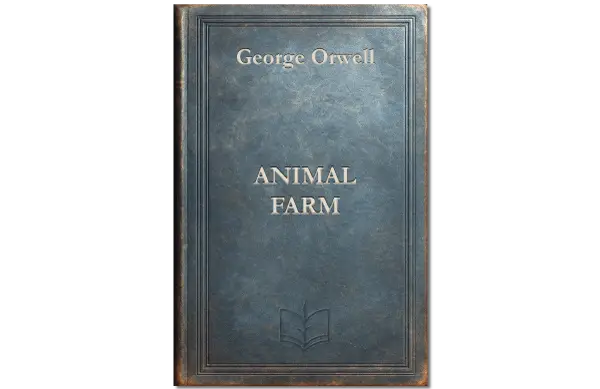
George Orwell’s Animal Farm is an allegorical novella about a group of farm animals who rise up against their human owner, Mr. Jones, hoping to create a fair and equal society. Inspired by the pig Old Major’s dream of freedom, the animals overthrow Jones and take control of the farm, renaming it “Animal Farm.”
At first, the revolution feels successful. The animals create a set of commandments that promise equality, shared labor, and a better life for everyone. The pigs, especially Snowball and Napoleon, quickly step into leadership roles, claiming they are the “brains” of the farm and must be trusted to make decisions.
Over time, things begin to change. Napoleon pushes Snowball out and takes control, using guard dogs and fear to silence any opposition. The pigs slowly distance themselves from the other animals, making secret decisions, changing rules, and giving themselves special privileges. The commandments are quietly altered, and whenever the animals feel confused, the pig Squealer explains that they must have “misremembered.”
The hardworking horse Boxer becomes a symbol of loyalty and blind trust. He believes that working harder and obeying Napoleon will solve everything. Even as life becomes harder, rations shrink, and work increases, Boxer never complains. His tragic fate shows how easily devoted, honest workers can be used and discarded by those in power.
By the end of the story, the pigs have fully embraced human behavior—walking on two legs, drinking alcohol, and forming business deals with neighboring farmers. The other animals can no longer tell the difference between pig and man. The revolution that was meant to bring freedom ends up creating a new form of oppression, just with different leaders at the top.
Animal Farm is both a simple story and a sharp political warning about how revolutions can be betrayed from within, and how power can corrupt even those who once claimed to fight for justice.
Key Quotes
- “All animals are equal, but some animals are more equal than others.”
Meaning: The pigs twist the idea of equality to justify their own privilege, showing how leaders can use language to hide injustice. - “Four legs good, two legs bad.”
Meaning: A simple slogan used to control and manipulate the animals, replacing real thinking with empty repetition. - “I will work harder.”
Meaning: Boxer’s personal motto, showing his honesty and dedication—but also how easily good workers can be exploited when they never question authority.
Key Takeaways
- Revolutions can start with good intentions but end in new forms of tyranny if power is not checked.
- Leaders can use propaganda, fear, and simple slogans to control people and rewrite reality.
- Loyal, hardworking individuals are vulnerable to exploitation if they never question those in charge.
- Equality is easily destroyed when a small group starts to place itself above everyone else.
Who Should Read This?
Animal Farm is a great choice for readers who enjoy short but powerful stories about politics, power, and human nature. It’s especially useful for students, teachers, and anyone interested in how revolutions, dictatorships, and propaganda work in the real world. Despite its simple style, it’s a book that stays with you long after you finish it.