Summary
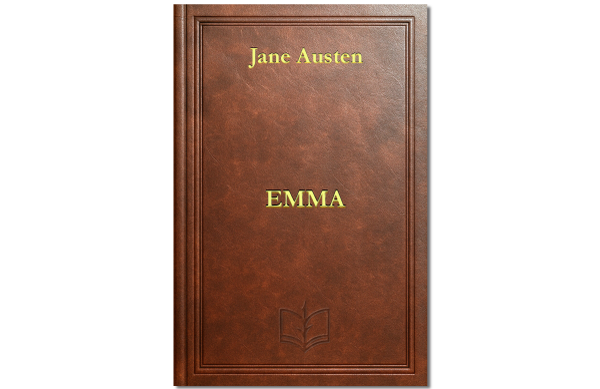
Emma follows Emma Woodhouse, clever, wealthy, and convinced she understands everyone’s heart better than they understand their own. Living comfortably in the village of Highbury, Emma decides that matchmaking is her talent and her entertainment. She takes Harriet Smith, a sweet but socially uncertain young woman, under her wing and begins shaping her romantic prospects—confident that good intentions and sharp observation are enough to engineer happy endings.
But Emma’s “insight” is clouded by pride, class assumptions, and the thrill of being influential. She misreads people, misunderstands motives, and creates confusion that hurts others—especially Harriet—while she remains blind to her own feelings. Mr. Knightley, an older family friend who respects Emma but refuses to flatter her, becomes the one person willing to confront her mistakes. As social events and misunderstandings pile up, Emma is forced to face the consequences of treating people like puzzles instead of people.
The novel becomes a comedy of self-knowledge: Emma must learn humility, empathy, and the difference between control and care. Austen shows that moral growth isn’t about becoming “less smart,” but about becoming more honest. By the end, Emma’s greatest transformation is internal—recognizing her own heart, accepting accountability, and learning that love can’t be managed like a plan.
Key Quotes & Meanings
- (Paraphrased) “Confidence can be blindness.” — Emma’s certainty is what leads her astray.
- (Paraphrased) “Class assumptions distort love.” — Social rank shapes what Emma believes is “possible.”
- (Paraphrased) “Good intentions don’t erase harm.” — Being well-meaning doesn’t excuse manipulation.
- (Paraphrased) “Humility is the beginning of wisdom.” — Emma’s growth comes from seeing herself clearly.
Key Takeaways
- Self-deception is often more powerful than deception from others.
- Trying to control other people’s lives usually creates chaos, not happiness.
- Real maturity is accountability: admitting fault and changing behavior.
- Austen’s comedy is also critique—especially of class and social performance.
Who Should Read This
- Readers who want a witty classic with romance, social satire, and character growth.
- Fans of “flawed but lovable” protagonists who learn hard lessons.
- Anyone who enjoys small-town drama, misunderstandings, and sharp dialogue.