Summary
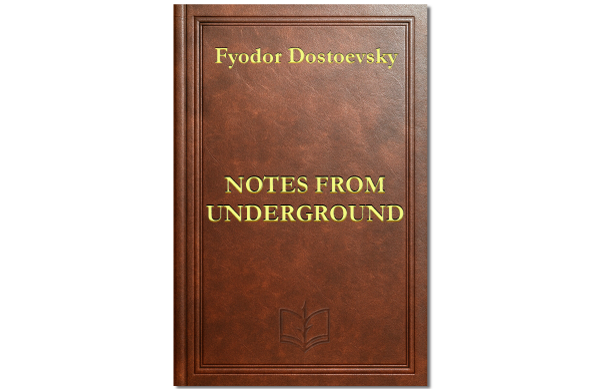
Notes from Underground is told by an unnamed narrator—an isolated, bitter former civil servant who writes from a psychological “underground” of resentment and self-contradiction. He attacks the confident, rational ideals of his era, arguing that human beings don’t behave like neat equations. Even when something is “reasonable,” he claims, people will sabotage themselves just to prove they are free.
The book shifts from philosophy into lived humiliation as the narrator recounts moments that expose his hunger for respect and his inability to accept it when offered. He chases validation, then rejects it; he wants connection, then lashes out when it appears. In social encounters, he is both victim and aggressor—constantly rewriting events to protect his pride, even while he knows he is lying to himself.
Dostoevsky uses this voice to explore ego, shame, and the twisted comfort of suffering. The narrator’s greatest prison isn’t society—it’s his need to be right, to be superior, to be wounded. Notes from Underground is short but piercing: a portrait of how intelligence can become a weapon against the self.
Key Quotes & Meanings
- (Paraphrased) “A person will choose pain to prove they are free.” — Freedom isn’t always rational; it’s often defiant.
- (Paraphrased) “Reason can’t explain the whole human heart.” — People want meaning, pride, and drama—not just logic.
- (Paraphrased) “Self-awareness doesn’t automatically heal you.” — Insight can deepen paralysis without courage and change.
- (Paraphrased) “Humiliation can become addictive.” — Suffering can feel like identity when nothing else does.
Key Takeaways
- A sharp critique of “humans as rational machines.”
- Shows how pride and shame create cycles of self-sabotage.
- One of literature’s most influential portraits of modern alienation.
Who Should Read This
- Readers who like dark psychological classics and philosophical provocations.
- Anyone interested in ego, anxiety, resentment, and self-defeating behavior.
- Fans of short books that hit hard and linger.