Summary
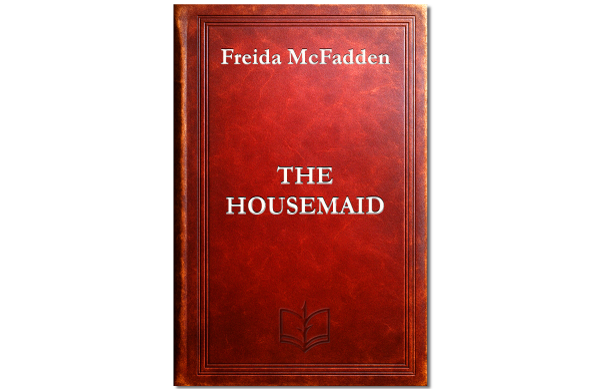
This The Housemaid summary follows Millie, a woman with limited options who takes a live-in housemaid job for a wealthy couple in a beautiful home. At first, it feels like a fresh start: steady pay, a roof over her head, and a chance to keep her past behind her. But almost immediately, the job feels… off.
Nina, the wife, is unpredictable—warm one moment, cruel the next—testing Millie’s patience and sanity with shifting rules and strange behavior. Meanwhile, Andrew, the husband, seems calm and supportive, making Millie feel seen and safe in a house that keeps tightening around her. As Millie tries to do her work quietly and stay invisible, she starts noticing contradictions, missing pieces, and signs that someone in this family is lying.
As tension escalates, Millie realizes she’s not just cleaning a house—she’s stepping into a trap built from secrets, control, and carefully staged appearances. The deeper she gets, the more dangerous it becomes to trust anyone, including herself. In the end, The Housemaid is a fast, twisty domestic thriller about manipulation, survival, and what happens when the person you pity might be the person you should fear.
Key Quotes & Meanings
“Paraphrased: A perfect house can hide the ugliest truths.”
The book leans into “domestic perfection” as camouflage—beautiful spaces can still be prisons.
“Paraphrased: When someone controls the story, they control what people believe.”
Perception is everything here: the villain isn’t always the loudest person in the room.
“Paraphrased: Survival sometimes means playing along—until you can’t.”
Millie’s choices show how fear can force people into silence, and how breaking that silence becomes the real turning point.
Key Takeaways
- First impressions can be manufactured—especially in “perfect” households.
- Manipulation works best when it makes you doubt your own instincts.
- Power often shows up as control: over money, space, rules, and reputation.
- When someone’s story keeps changing, the truth is usually the thing they’re hiding.
- Survival sometimes requires strategy, not confrontation.
Who Should Read This?
Ideal for adults who enjoy fast-paced psychological thrillers, domestic suspense, unreliable appearances, and twisty stories about secrets, control, and survival inside “perfect” homes.